

A good travel day bag should carry what you need for the day without weighing you down.
The easiest way to get that balance right is to think in a few simple categories rather than packing item by item. Start with your phone and power, payment and ID, water, protection from the weather, and a few personal essentials. Then organise them by how often you need to reach them.
The exact contents will change with the destination, forecast and plans. A museum day in Paris needs a different setup from a hot walking day in Singapore or a long day at a theme park. The system stays the same; the contents flex.
Pack for the day, not every possibility
The easiest way to overpack a day bag is to prepare for every possible inconvenience.
Instead, repack it each morning around the actual day ahead. Take the cards, documents and tech you expect to use, and leave unnecessary backups securely at your accommodation.
One important exception is your passport. In some destinations, visitors may be required to carry the original or be able to produce identification, so check the local rules before deciding to leave it behind. Our guide to keeping valuables safe while travelling goes deeper on splitting valuables and backup payment methods.
The five things to pack
1. Your phone + backup power
For many travellers, the phone is now the map, camera, boarding pass, translator, payment method and booking folder.
Start with the phone, then decide whether the day justifies a power bank. If you will be away from a power point for hours, using navigation heavily or taking lots of photos and video, carry a power bank and the correct cable. If you are only heading out for dinner, you may not need either.
Keep the cable with the power bank rather than loose somewhere else in the bag. If you are flying with it, remember that power banks belong in cabin baggage, not checked luggage.
2. Wallet, ID and the documents you actually need
Take the payment methods, tickets, transport cards and identification the day requires rather than carrying every card you own.
If you need to carry your passport, keep it in a secure part of the bag rather than a quick-access outer pocket. A backup card and emergency cash are more useful when they are stored separately from your everyday wallet, so one loss does not take everything with it.
If your bag has an RFID-blocking pocket, use it for the cards or passport you specifically want stored behind the shielding. RFID protection is an extra layer, not a reason to keep all of your valuables together.
3. Water
A reusable bottle is useful on long sightseeing days, but match it to the climate and the availability of safe drinking water.
Where reliable refill stations are common, a smaller or collapsible bottle may be enough. Where safe refills are less predictable, plan your water for the day rather than assuming every public tap is suitable.
The aim is to carry enough for the day without automatically choosing the largest bottle you own.
4. Protection from weather and sun
This category changes almost every day.
Check the forecast before you leave and choose what actually solves the likely problem: sunscreen and a hat for strong UV, a compact umbrella or rain shell for showers, or a light layer if the temperature will drop later.
You only need what the day calls for. If strong sun is likely, sunscreen may be the priority; if rain or cooler weather is expected, take the layer that suits those conditions. In Australia, Cancer Council recommends broad-spectrum, water-resistant SPF50 or SPF50+ sunscreen, reapplied every two hours and after swimming, sweating or towelling.
5. A small personal-care kit
This does not need to be a miniature pharmacy.
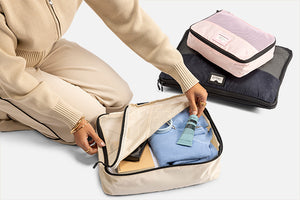
Start with any essential medication you may need while you are out. Then add only what suits the day: perhaps a couple of plasters or blister dressings for a long walking day, tissues, hand sanitiser, lip balm or another small personal item you know you regularly use.
When travelling internationally, keep medicines in their original labelled packaging and check that they are legal at your destination.
What should go where in your day bag?
What you carry matters, but where you put it matters just as much.
The exact pocket layout varies by bag, but this is a useful way to think about it:
- Quick-access pocket: phone, sunglasses, transit card or another item you reach for repeatedly and are comfortable keeping accessible.
- Secure main compartment: wallet, passport when you need to carry it, tickets and other valuables.
- RFID-blocking pocket: cards or passport you specifically want stored behind RFID shielding, if your bag has one.
- Concealed pocket: backup card, emergency cash or hotel key. These are useful things to have with you, but not things you want to expose every few minutes.
- Larger compartment: water bottle, weather layer, power bank and personal-care pouch.
A simple rule is: keep everyday items easy for you to reach, and keep valuables and backup items in the more secure parts of the bag.
On crowded transport or in busy queues, keep the bag closed and move it to a position you can monitor easily.
Crossbody or backpack?
Neither is automatically better. The right choice depends mostly on how much you are carrying.
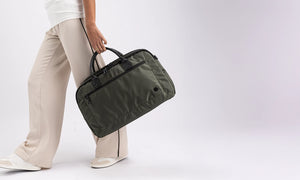
A crossbody works well for lighter city days when you want your phone, wallet and tickets close at hand. It is easy to bring toward the front in crowded places.
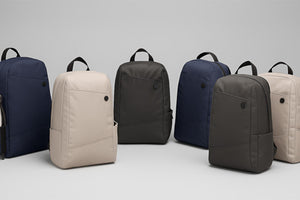
A small backpack makes more sense for longer days when you are carrying water, extra layers, food or shared family items.
Whichever you choose, look at comfort, capacity and access first. If you also want security features for crowded environments, some bags add lockable access, cut-resistant construction, RFID-blocking storage and concealed pockets. These features can make secure carrying easier, but they do not replace normal awareness. Our guide to whether anti-theft bags actually help explains the trade-offs.
When to carry less
This five-part system is most useful for long sightseeing days, public transport, markets, theme parks and other times when you will be away from your accommodation for hours.
For a short evening out, a beach close to your hotel or a day with easy access to shops and accommodation, you may need only your phone, payment method and one or two extras.
A day-bag checklist should help you edit, not encourage you to carry five things simply because they appear on a list.
The takeaway
Start with five categories:
- Phone + backup power
- Wallet, ID and documents
- Water
- Weather and sun protection
- Personal-care essentials
Then decide where each item belongs in the bag.
The goal is not to pack for every scenario. It is to have the few things you are likely to need, organised so the everyday items are easy to reach and the more important ones stay secure.
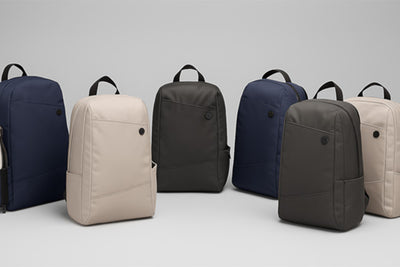
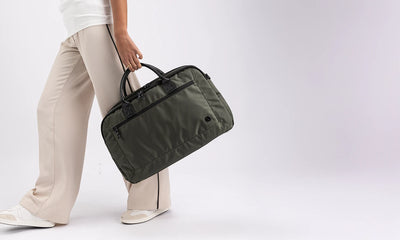
If you are choosing a bag for busy travel days, you can compare Zoomlite's anti-theft bags by capacity, carry style and security features rather than simply choosing the bag with the longest feature list.
What should you pack in a day bag for travel?
A useful starting point is five categories: phone and backup power, wallet and identification, water, weather or sun protection, and a small personal-care kit. Adjust each category to the actual day.
Should you carry your passport in your day bag?
It depends on the destination and what you are doing. Some places require visitors to carry original identification, while on other trips it may be safer to leave the passport secured at your accommodation. Check the local rules before deciding.
Where should you keep your wallet and passport in a day bag?
Use a secure main compartment or another pocket that is difficult to access casually. Avoid easy-to-reach outer pockets for high-value items. If your bag has an RFID-blocking pocket, use it for the cards or passport you specifically want shielded.
Is a crossbody or backpack better as a day bag?
A crossbody generally suits lighter loads and frequent access. A small backpack gives you more room for water, layers, food or shared items. Choose based on comfort, capacity and the day you have planned.
Do you need an anti-theft bag for sightseeing?
Not necessarily. Security features can be useful in crowded cities, transport hubs and busy public spaces, but they are one part of the system. How you carry the bag and what you keep inside still matter.
What should you pack in a day bag at night?
Usually less. For a short evening out, you may only need your phone, payment method, identification where required and a layer for the temperature.


Leave a comment