

Some clothes take up far more room than you expect. A puffer jacket, a chunky jumper, a fleece, a beach towel: soft, light, and somehow they swallow half your bag. You can sit on the suitcase and fight the zip, or you can squeeze the air out of them properly. That is what a compression cube does.
This guide explains how compression cubes work, how they differ from regular cubes and vacuum bags, and when they are genuinely useful. It also covers their most important limitation: they save space, not weight.
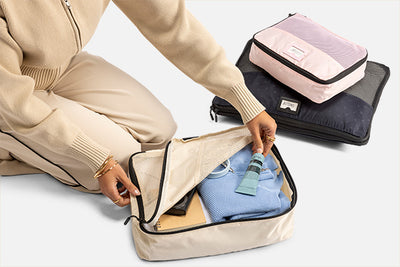
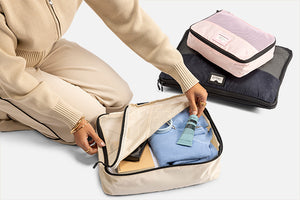
A compression packing cube is a normal packing cube with a second zip. You fill it, close the first zip, then do up the second to squeeze the air out and flatten the contents. It does not make your clothes lighter, it makes them take up less room, so it is best for soft, bulky things like jumpers, puffer jackets and towels, and for shrinking a big load down into a smaller bag.
- How a compression cube works
- What compression does, and what it does not
- Compression cubes or regular cubes?
- Compression cubes versus vacuum bags
- How to use compression cubes well
- Do compression cubes actually work, and are they worth it?
- What makes a compression cube worth keeping
- Where Zoomlite compression cubes fit
- Frequently asked questions
How a compression cube works
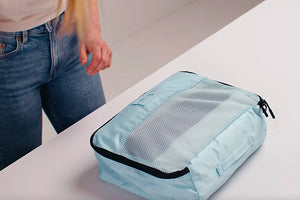
A compression cube starts as an ordinary packing cube, a fabric pouch with a mesh or zip top. The difference is a second zip, around the middle or the lid. You pack the cube, close it as normal, then run the second zip, which folds the walls in and pushes the trapped air out.
In Australia you will also see them sold as compression cells. Same product.
The difference can be significant with soft, bulky clothing, particularly puffers, fleeces and thick jumpers.
What compression does, and what it does not
Compression saves volume, not weight. Squeezing the air out of a jumper does not make the jumper lighter. If your bag is 22 kilos before you compress, it is 22 kilos after. The scales at check-in will not care.
So a compression cube is the answer to a space problem, not a weight one. If you are fighting an airline's weight limit, the fix is packing less, or wearing your heaviest layers onto the plane, not a tighter zip. If you are fighting a bag that will not close, or you want to drop from a checked bag to a carry-on, compression earns its place.
Compression cubes or regular cubes?
You do not have to choose. Many travellers find that a combination of regular and compression cubes works best.
Regular cubes are for the everyday clothes you want to see and grab: t-shirts, underwear, the things you rotate through. They pack flat and stack neatly.
Compression cubes are for the bulky, soft, low-rotation items: the puffer, the jumpers, the fleece, the towel, the spare layer for the kids. The things that are mostly air.
It can be tempting to compress everything, but that is not always the most efficient way to use the space. Compressed cubes pack into a rounded, slightly lumpy shape, so a bag full of them can leave odd gaps in a hard-sided case. Use a compression cube or two for the bulk and regular cubes for the rest, and the bag packs flatter overall. There is a fuller routine in our guide to using packing cubes.
Compression cubes versus vacuum bags
| Criteria | Compression cube | Vacuum bag |
|---|---|---|
| Compression strength | Good — enough for most bulky items | Strongest — flattens even a doona |
| Convenience | ✓ Zip and go, no tools needed | ✗ Needs rolling or a pump |
| Durability | ✓ Keeps its shape, reusable trip after trip | ✗ Seals can fail, plastic can puncture |
| Best for | Travel — repacking on the go | Long-term storage at home |
How to use compression cubes well
- Pick the right clothes. Soft and bulky is the sweet spot: jumpers, hoodies, puffer jackets, fleece, activewear, towels, kids' layers. Skip anything structured or delicate. Squeezing linen, silk or a tailored shirt just bakes in the creases.
- The puffer test. Not sure if something will compress? Fold it flat, roll it, and let go. If it springs back up, it contains plenty of trapped air and is a good candidate for compression. If it stays put, it was already dense and compression will not do much.
- Fill, then compress. Pack the cube like a normal one first, fairly full, then close the main zip and run the compression zip slowly. A properly filled cube compresses flatter and firmer than a half-empty one you try to crush.
- Compress to size down, not to pack more. This is the trap. The moment you free up space, it is tempting to fill it with extra. If the goal is a smaller, lighter trip, bank the saved space, do not spend it. And weigh the bag before you leave, because compression has not changed what it weighs.
- Keep one for the way home. Worn clothes are bulkier and care less about a crease, so a compression cube makes a tidy home for dirty laundry on the return leg.
Do compression cubes actually work, and are they worth it?
For the right job, yes. Compression cubes are particularly useful for bulky, soft clothing, cold-weather trips and anyone trying to fit the same essentials into a smaller bag. Ski trips and winter travel are good examples, because jumpers and jackets contain plenty of air that can be compressed.
They are not worth it for everyone. If you only ever pack light summer clothes, there is little air to squeeze, and standard cubes will serve you better. If your problem is weight rather than space, they will not help. And if your wardrobe is mostly structured or delicate fabrics, the creasing is not worth the saving.
Compression cubes are most valuable when your clothing is bulky or your suitcase space is tight. They do not need to replace regular cubes; one or two can handle the items that take up the most room, while regular cubes organise the rest. If you are still weighing up cubes in general, our guide to whether packing cubes are worth it covers the wider question.
What makes a compression cube worth keeping
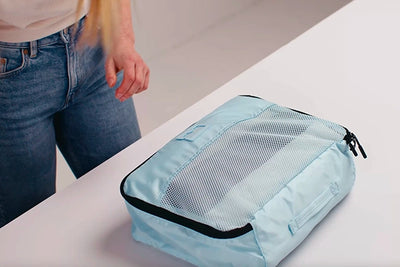
The compression zip carries more tension than the main zip, so construction quality matters. Look for smooth-running zips, reinforced seams and fabric with enough structure to hold its shape. A double slider can make the compression zip easier to close, while a mesh or windowed panel helps you identify what is inside.
Size is worth a thought too, because cube dimensions are not standard across brands. Check the measurements against your bag rather than trusting the label. Our fit guide matches sizes to cases.
Where Zoomlite compression cubes fit
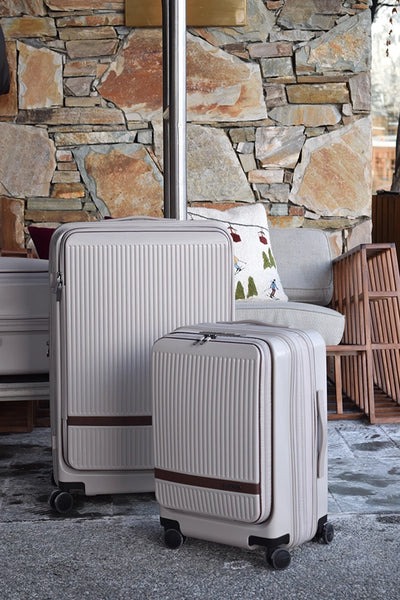
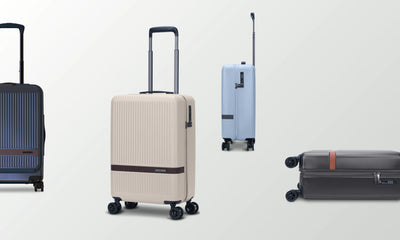
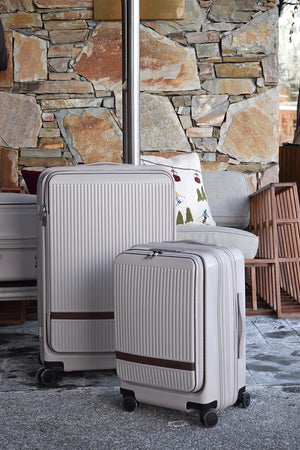
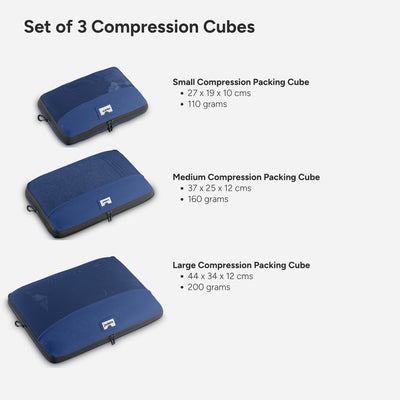
Zoomlite compression packing cubes use a double-zip system to reduce the space taken up by bulky clothing while helping the cube retain its shape. They can be used alongside standard cubes inside a GLIDE suitcase: compression cubes for jumpers, jackets and other bulky pieces, and regular cubes for everyday clothing. This gives you the benefit of compression without needing to compress everything in the case.
New to cubes in general? Start with how to use packing cubes, then come back here for the bulky stuff.
Do compression packing cubes actually compress?
Yes. The second zip folds the walls in and forces the trapped air out, so soft, bulky clothes pack down into a firm, flat shape. The denser an item already is, the less difference you will see.
What is the difference between a packing cube and a compression cube?
A regular packing cube organises your clothes and holds its shape. A compression cube does the same, then adds a second zip that squeezes the air out to save space. Use regular cubes for everyday clothes and compression cubes for bulky, soft items.
Do compression cubes save weight?
No. They save space, not weight. A compressed jumper weighs the same as a loose one, so they will not help you beat an airline's weight limit.
Should you roll or fold in a compression cube?
Either method works. Fold or roll the clothes so they fit neatly, fill the cube, then close the compression zip slowly. The compression step reduces the overall volume, so the choice between rolling and folding matters less than it does in a regular cube.
Are compression cubes worth it?
For bulky clothes, cold-weather trips, or sizing your bag down, yes. For light summer packing, or a weight problem, less so. Most people do best with one or two compression cubes alongside their regular ones.
How many compression cubes do I need?
Usually one or two, for the bulky items, with regular cubes for the rest. The fit guide helps you match cubes to your bag.


How do the compression packing cubes stay compressed if they have a mesh outer layer? I tried emailing support but I was not answered.
Do the compression cubes cause the garments to become more crushed than in using regular cubes? Is folding or rolling preferable for dresses?
Thanks for your question, Jane. You can purchase our compression cubes individually via this product listing https://www.zoomlite.com.au/products/elite-compression-packing-cube Just click on the size you want (Large, Medium or Small) then choose the colour and add to cart.
Is it possible to buy the compression cubes separately? I would like a few more of the medium size, but do not wish to buy whole sets.
Leave a comment