

Travel safety is rarely about one dramatic precaution. It is usually a collection of small decisions: where you keep your passport, how you carry your bag on a crowded train, whether you have a backup card, and whether someone at home knows where you are.
The aim is not to spend your holiday looking over your shoulder. It is to remove the obvious vulnerabilities before they become problems, and know what to do if something does go wrong.
These 50 tips are grouped by when you are most likely to need them, from planning at home to dealing with a problem on the road. Use the sections that matter for your trip and skip the rest.
- If you only do five things before you leave
- Before you head off
- Pack smart, and pack safe
- Money, cards and your phone
- At the airport and in the air
- Out and about
- If things go wrong
- Safety tips for how you travel
- You can't plan for everything, and you don't need to
- The takeaway
- Common travel safety questions
A list of 50 can feel like a lot. These five cover most of the preparation that matters:
- Check the latest destination advice.
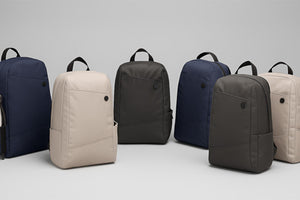
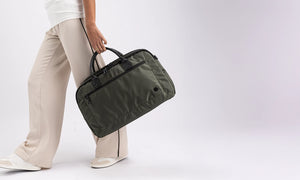
- Arrange suitable travel insurance.
- Save copies of important documents.
- Set up your cards, banking and phone access.
- Share your basic itinerary with someone you trust.
The full checklist below explains each of these, then moves through luggage, money, airports, getting around and what to do if something goes wrong.
Before you head off
1. Research your destination. Read the Smartraveller advice for your destination, especially the safety, local laws, health and transport sections. Note any specific areas, activities or times of day that carry extra risk rather than relying on general assumptions about a city.
2. Check Smartraveller and subscribe for updates. Read the official advice for every destination and transit point on your route, then subscribe to alerts. If DFAT opens a crisis registration portal during a major emergency, follow the instructions published by Smartraveller.
3. Sort travel insurance, and read the fine print. A suitable policy can cover medical emergencies, cancellations and lost belongings, depending on its terms. Check the excess, exclusions, activity cover, pre-existing condition rules and alcohol clause before you buy.
4. Copy your important documents. Keep a paper copy separate from the originals and store digital copies in a secure, password-protected account you can access from another device. Copies can make reporting a loss and arranging replacements easier.
5. Prepare your cards and banking access. Check whether your bank wants an overseas travel notification, confirm your contact details and app access, and make sure you can receive security prompts while away. Check international transaction and ATM fees too.
6. Set up your phone. Arrange roaming, an eSIM or a local SIM before you need it, and confirm that your important apps and security codes will still work overseas. Staying contactable is a safety feature, not just a convenience.
7. Check health advice and vaccinations. Speak to your doctor or a travel health clinic 6 to 12 weeks before departure where possible. The vaccines you need depend on your destination, activities and health history, and some require several doses or time for immunity to develop.
8. Make a loose itinerary and share it. It doesn't need to be timed to the minute. A rough plan that someone at home has a copy of means people know roughly where you should be.
9. Build an emergency contact list. Include someone you trust, your insurer, your bank's lost-card line, local emergency services and the nearest Australian embassy or consulate. Keep the list on your phone and somewhere you can still reach if the phone is lost.
10. Plan your arrival before you land. Know how you are getting from the airport or station to your accommodation, especially if you arrive late. Save the address offline and check where official taxis, rideshares or hotel transfers pick up before you leave the terminal.
11. Save your insurer's emergency-assistance details. Keep the policy number and assistance contact somewhere you can reach without relying on one phone. If you need urgent medical help or face a major disruption, you should already know how to contact the insurer and what information they may ask for.
12. Make sure you can recover important accounts without your phone. If your phone disappears, you may still need email, banking, airline and cloud-storage access. Set up recovery methods before the trip and avoid making one device the only way into everything.
13. Keep a simple medical summary accessible. If it is relevant to you, keep a note of regular medicines, allergies, important medical conditions and an emergency contact somewhere you or a trusted person can access quickly. Carry supporting prescriptions or letters where your destination requires them.
14. Learn a few useful local phrases. Know how to ask for help, a doctor, the police or directions. An offline translation app can fill the gaps when mobile data is unavailable.
Pack smart, and pack safe
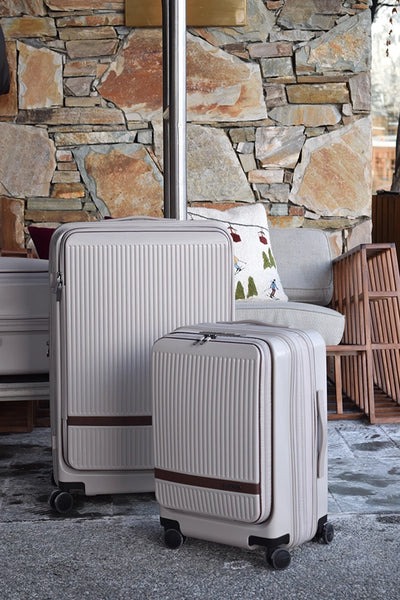
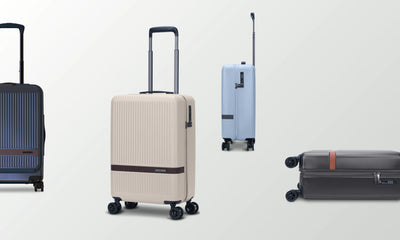
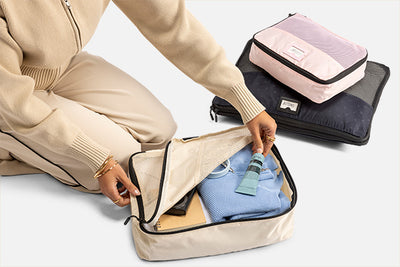
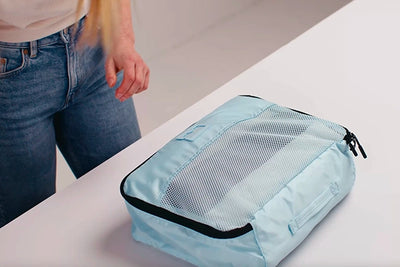
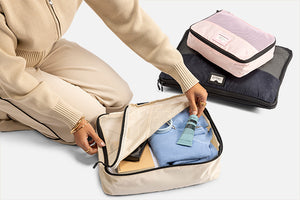
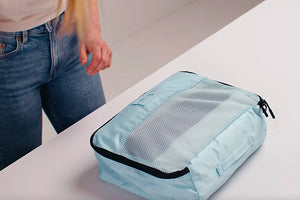
15. Keep your luggage manageable. A bag you can lift, carry and keep close is easier to control through stations, stairs and busy terminals. Packing cubes can help organise the contents, but they are an organisation tool rather than a security feature.
16. Choose a bag that makes casual access harder. A well-designed anti-theft bag can combine lockable zips, concealed storage and cut-resistant panels; some crossbody styles also reinforce the shoulder strap. RFID-blocking storage is an additional feature on many models. These are deterrents, not guarantees, so how and where you carry the bag still matters. Our guide to whether anti-theft bags actually help explains the trade-offs.
17. Use a packing list. It heads off the last-minute scramble and the “did I pack my charger” spiral at the gate.
18. Keep essential and valuable items in your carry-on. Keep your passport, essential medication, valuables and anything you would struggle to replace with you. If a cabin bag is unexpectedly gate-checked, remove those items along with power banks and spare lithium batteries before handing it over.
19. Keep your luggage with you. Do not leave bags unattended in airports, stations, cafes or hotel lobbies. Apart from theft, an unattended bag in a transport hub can become a security concern.
20. Use a luggage lock as a deterrent, not a guarantee. A lock can discourage casual opening and keep zip pulls together. If you are travelling through the United States, a TSA-recognised lock is designed so TSA officers can open it for inspection without cutting it in many cases, although a lock can still be removed if required.
21. Label your luggage with contact details. A name plus a mobile number or email address is usually enough for someone to contact you if the bag is misplaced. There is rarely a need to display your full home address on an external tag.
22. Pack a basic first aid kit that suits the trip. Plasters, blister care and basic supplies can be useful. Keep essential medicines in your carry-on, in their original labelled packaging, and check whether they are legal at every destination and transit point.
23. Keep a safe way to recharge your phone. Carry the correct adapter and, if you use one, a compliant power bank. CASA requires power banks and spare lithium batteries to stay in the cabin, not checked baggage. Protect battery terminals and check the operating airline's limits before you fly.
24. Use hidden storage in a way you can live with. A money belt can work well for deep storage if you do not need to access it repeatedly in public. A secure internal pocket or a crossbody worn in front may be easier for everyday access. Choose the system you will actually keep closed and close to your body.
Money, cards and your phone
25. Split your cash and cards. Some on you, some in the safe, a backup card somewhere separate. If one stash goes, you're inconvenienced, not stranded. Our piece on clever ways to keep your valuables safe goes deeper.
26. Put your safety ahead of your property. If you are threatened or robbed, do not fight over a phone, wallet or bag. Move to a safer place as soon as you can, contact local authorities and then deal with cards, documents and insurance.
27. Decide whether RFID protection is useful to you. An RFID-blocking wallet reduces the chance of an RFID-enabled card or passport being read while it is closed inside. Unauthorised contactless reading is possible but is not among the most common travel theft risks, so consider this added reassurance rather than your main line of defence. Our guide to protecting yourself from identity theft while travelling covers the broader risks.
28. Keep control of how you pay. Carry only the cash you expect to need, keep a backup payment method separate, and do not let a card disappear out of sight during a transaction. Use reputable bank ATMs where possible and check the amount before you approve a payment.
29. Turn on transaction alerts. Banking notifications can help you notice unfamiliar charges sooner. Make sure the alerts still work overseas and know how to freeze a card quickly in your banking app.
30. Back up important data. Keep photos and travel documents backed up to a secure account you can reach from another device. Do not rely on the phone in your hand as the only copy.
31. Be careful on public Wi-Fi. Prefer mobile data for sensitive activity, confirm the network name with the venue and avoid entering important credentials on an unfamiliar or unsecured network. A reputable VPN can add protection, but it does not make every website, app or network trustworthy.
32. Avoid sensitive logins on shared computers where you can. If you must use a hotel or public computer, do not save passwords or payment details, log out completely when you finish and change important passwords later if you have any reason to doubt the device.
33. Keep your phone charged and connected. Make sure you have enough battery and data to use maps, tickets, banking security prompts and emergency contacts, and that someone you trust knows how to reach you.
34. Lock down your phone. Use a strong passcode, enable its locate-and-erase feature, review what appears in lock-screen notifications and add emergency information through the phone's medical or emergency settings. Make sure you know how to access your accounts if the phone itself is lost.
At the airport and in the air
35. Keep track of your belongings at security and the gate. Put small valuables inside a zipped bag rather than loose in a tray, and collect everything promptly after screening. Do a quick passport-phone-wallet check before you walk away.
36. Know the common airport scams. Distraction theft, unofficial taxi offers and people posing as helpers or officials can occur around busy terminals. Use marked transport points, verify identification and decline help you did not ask for without feeling obliged to continue the conversation.
37. Be discreet about your plans. You don't need to tell a friendly stranger your hotel, your dates, or that you're travelling on your own.
38. Keep your most important items close in the cabin. Where the aircraft and seat rules allow it, keep your passport, wallet, phone and medication in the personal item under the seat rather than loose in an overhead bin. If your bag must go overhead, keep valuables zipped inside it and avoid placing it far from your seat.
Out and about
39. Avoid advertising valuables. Keep expensive jewellery, cameras and phones discreet when you are not using them, and check directions without blocking a busy path. You do not need to imitate local dress; the aim is simply to avoid making valuable belongings unusually visible. Our guide to avoiding pickpockets in Europe goes deeper.
40. Keep your bag close in crowded places. On packed transport, in queues or in dense crowds, move a crossbody or small backpack to a position you can monitor easily. Keep the zips closed and avoid leaving a phone or wallet in an easy-to-reach outer pocket.
41. Treat distraction as a cue to check your belongings. Pickpocketing often works because your attention has been pulled elsewhere: a bump, a question, a commotion or unexpected help. You do not need to assume every interaction is suspicious. Just use an unexpected distraction as a prompt to check your phone, wallet and bag.
42. Use transport you can verify. Use official taxi ranks, licensed operators or reputable rideshare apps. For app-based rides, match the vehicle, number plate and driver details before you get in, and use in-app safety or trip-sharing features where useful.
43. Secure your accommodation without blocking your exit. Lock doors and accessible windows, use the room's deadbolt or latch when you are inside, and learn how the property verifies staff before opening the door. Use a functioning room safe or another secure place for suitable valuables. Do not use anything that could prevent you leaving quickly in an emergency.
44. Watch your drink and know the signs of spiking. Get your own drink where possible, keep it in sight and leave it if you are unsure what happened to it. If you or a friend suddenly feels much more intoxicated, confused, drowsy or unsteady than expected, stay together, move to a safe place and seek medical help.
45. Download offline maps before you need them. They help when mobile coverage fails or data is expensive. If you need time to work out directions, move out of the flow of pedestrians and traffic rather than stopping abruptly in a busy place.
46. Check the scams reported for your destination. Smartraveller destination pages often flag common fraud, theft and transport problems. Knowing the pattern makes it easier to recognise pressure, distraction or an offer that does not add up.
47. Respect local laws, customs and wildlife. Things you'd never think twice about at home can carry real penalties abroad. Give animals their space too, and follow local guidance near water and on the roads.
If things go wrong
48. Act early when something feels wrong. You may not always know exactly why a situation feels uncomfortable. Move toward a busy, well-lit place, contact someone you trust or seek help from identifiable staff or authorities. You do not need to remain in a situation merely to avoid seeming impolite.
49. Save the correct emergency numbers. Record the local police, ambulance and fire numbers, your insurer and the nearest Australian embassy or consulate. For urgent consular help, Australia's 24-hour Consular Emergency Centre is +61 2 6261 3305 from overseas or 1300 555 135 within Australia. Do not assume 112 works everywhere; check the local number before you arrive.
50. Know what to do after a theft. Get to a safe place first, freeze or cancel affected cards and contact your insurer. Report theft to local police where appropriate and keep the report details because your insurer may ask for them. If your Australian passport is lost or stolen, contact the nearest Australian embassy or consulate promptly; a stolen passport should also be reported to local police.
Safety tips for how you travel
The basics are the same for everyone, but a few things shift depending on who's going:
- Solo travellers: agree a check-in routine with someone you trust, share your itinerary and use live location sharing selectively when it is useful. Having the first night's accommodation and arrival transport planned can remove decisions when you are tired.
- Women travelling: read the destination-specific advice for women, including local laws, clothing expectations, transport and areas where additional caution is advised. Women-only transport or accommodation can be useful where available, but no single accessory or tactic should be treated as a safety guarantee.
- Families with kids: agree on what everyone should do if you get separated, choose an obvious meeting point in busy places and make sure younger children have a way to identify a trusted adult or contact you. A recent photo can also be useful if you need help describing what a child is wearing.
- Older travellers: carry a current medication list and supporting prescriptions or letters where needed, know how to contact your insurer for medical help and keep luggage to a weight you can handle comfortably.
You can't plan for everything, and you don't need to
No checklist removes every risk. The point is to prepare for the situations you can reasonably anticipate, such as lost documents, theft, illness, scams, transport problems or a flat phone, without spending the trip expecting something to go wrong. Good preparation should make travel feel easier, not more anxious.
The takeaway
Safe travel is mostly preparation plus a few repeatable habits. Keep copies of important documents, separate your backup money, carry valuables securely, stay aware in busy places and know how to get help. None of those makes a trip risk-free, but together they make common problems easier to avoid or recover from.
Your bag is only one part of the system, but thoughtful design can make good habits easier. Zoomlite's anti-theft bags use security features such as lockable zips, concealed storage and cut-resistant construction to discourage casual access. An RFID wallet or passport holder can add passive RFID shielding where you want it. Neither replaces awareness; both are designed to make secure carrying simpler.
What are the most important things to do before travelling?
Check and subscribe to Smartraveller advice for every destination and transit point, arrange suitable travel insurance, keep secure copies of key documents, separate your backup money and share your rough itinerary with someone you trust.
What are some essential travel safety tips?
Keep valuables secure and difficult to access casually, stay aware in crowded places, use transport you can verify, keep control of your drink and move away early if a situation feels uncomfortable.
How do I keep my valuables safe while travelling?
Keep primary and backup payment methods in separate places, carry only what you need for the day, keep bags closed and within your control, and use secure internal pockets or lockable zips where they are useful. Put your personal safety ahead of recovering property if you are threatened.
Is it safe to travel right now?
There is no useful worldwide yes-or-no answer. Conditions differ by country, region and sometimes city, and they can change quickly. Check the current Smartraveller advice before booking, subscribe for updates and review it again shortly before departure.
Do I need an RFID wallet?
It is optional. RFID shielding can reduce close-range unauthorised reading while cards or an e-passport are stored inside, but physical theft, phishing and online card fraud are usually more important risks to plan for.


Traveling is an exhilarating experience, but it’s important to prioritize safety. Your travel safety tips post provides valuable insights for globetrotters like myself. From researching destinations and securing travel insurance to staying vigilant and aware of local customs, these tips are indispensable for a worry-free journey. I particularly appreciate your emphasis on maintaining copies of important documents and staying connected with loved ones during travels. For more comprehensive travel safety resources, I highly recommend visiting Travel safety tips. Their website offers a wealth of information on travel safety measures, emergency contacts, and real-time updates on potential risks. Let’s make safety a top priority and enjoy our adventures with peace of mind!
Good list. The RFID protection is a furphy – whilst it’s technically possible – there are zero reported cases of it happening.
Very good post. I am facing some of these issues as well..
Billiga Fotbollströjor
I love these tips. Whenever a travel, even if it’s only for the weekend, I get as prepared as possible. I love the planning process anyways, but when it comes to travel, I enjoy it better knowing that I have a plan B and C.
I’m spending a weekend away soon, and before picking my hotel, for instance, I checked transportation, scams (so important when you travel alone) and local habits too.
I agree with all these tips. if you have kids, I would add that there are a range of GPS, bluetooth and other tracking tools that can be used to keep track of them in busy locations, such as airports. Having that extra layer of security can provide nervous families with a little more peace of mind in case your family is separated in a crowded area.
Leave a comment