

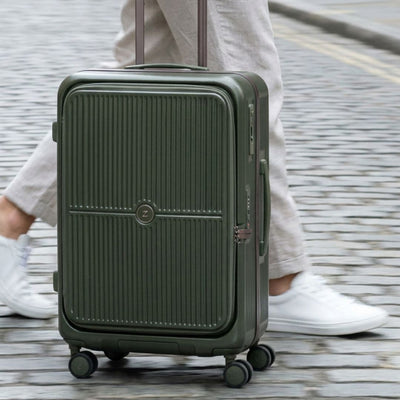

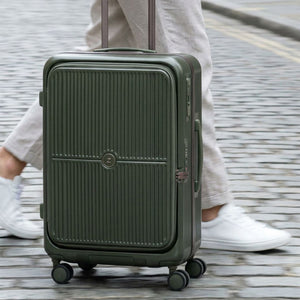
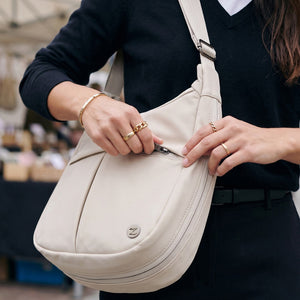

A suitcase works hard every time you travel. From airport terminals and cobbled streets to overhead lockers and baggage carousels, it gets pushed, pulled, lifted and knocked around along the way.
It's hardly surprising that luggage picks up dirt, scuffs and the occasional stubborn stain. Wheels can collect grit, zips get dusty, and even the inside of your suitcase needs attention now and then.
A little care after each trip can make a real difference. Keeping your suitcase clean, checking the moving parts and storing it properly can help it look better and work smoothly for years.
Here's how to look after your luggage, whether you travel with a carry-on, a large check-in suitcase or a soft-sided bag.
The short version
For a hardshell case, start with warm water, a little mild soap and a soft cloth. For softside fabric, remove loose dirt first, then spot-clean only where needed. After a trip, clear debris from the wheels and zips and let the whole bag dry completely before storage. The main rule is simple: check the maker's care instructions before using anything stronger.
Start with your material
Before you clean anything, know what your bag is made of, because it changes what you should use.
- Hardshell (polycarbonate, ABS, polypropylene): tough and non-porous, so it's easy to wipe down.
- Softside (nylon, polyester, canvas): fabric can collect dirt and absorb moisture, so clean marks carefully and allow plenty of time to dry.
- Leather or leather trim: use a product suitable for the type of leather and its finish. Avoid soaking or hard scrubbing.
If you're not sure, check the care label inside the bag or the maker's website before you reach for any product. Before using a new cleaner, test a little on a hidden area to check that it doesn't leave a mark or change the colour.
A quick clean or a deeper clean?
You don't need to deep-clean your bag every time. Two simple habits cover it.
- The post-trip check: wipe away obvious dirt, remove debris from the wheels and zips, and let the bag dry fully before storage.
- The deeper clean: do it when the case is visibly dirty, has picked up a spill or stain, or develops an odour. There is no useful fixed schedule for every traveller.
A quick clean after each trip usually means less work later.
How to clean it, part by part
Exterior: hardshell
Hardshell cases are the easiest. Mix a little mild dish soap into warm water, dampen a microfibre cloth, and wipe down the whole shell in gentle, circular motions. Use a soft, non-abrasive cloth or sponge, never a scourer, which adds fine scratches of its own.
For scuff marks, start with the gentlest method recommended for that particular shell and finish. Try a soft, damp cloth first. For marks that don't come off, check the manufacturer's instructions before trying anything stronger. Some brands allow a Magic Eraser on certain finishes, but it can dull or scratch others. Test any approved cleaner on a hidden area first.
One thing to avoid: don't hose it down or soak it in the tub. Water works its way into the lining, the telescopic handle housing and the wheel bearings, and trapped moisture there causes far more damage than a bit of surface dirt ever will. A damp wipe is all a shell needs.
Exterior: softside fabric
Start dry. Vacuum the fabric (a brush or upholstery attachment helps) to lift the loose grit out of the weave. Then spot-clean marks with a soft brush or cloth and a little diluted laundry detergent or fabric cleaner, working gently so you don't drive the stain deeper. Wipe with a clean damp cloth and let it air-dry fully, out of direct sunlight so the colour doesn't fade.
Skip the bleach. It's tempting on a stubborn stain, but bleach and harsh solvents can strip colour and weaken the fabric and its water-resistant coatings, and most luggage makers warn against them. Start with a mild cleaner and avoid scrubbing too hard. You can clean a stubborn mark again, but a harsh product may damage the fabric.
Leather luggage and trims
Start by wiping away loose dust with a soft, dry cloth. For marks, use a leather cleaner suitable for the finish, following the product instructions and testing it on a hidden spot first. Don't soak the leather or leave it in direct sun to dry. A leather conditioner may help some finishes, but check the luggage maker's advice before using one.
Handles
Handles collect dirt and oils from your hands. For most plastic and rubber handles, wipe with a soft cloth and a little mild soap and water, then wipe off any soap with a clean, damp cloth. Avoid alcohol-based cleaners and harsh chemicals unless the manufacturer recommends them, as they may damage the grip or finish. For leather handles, use a cleaner suitable for that leather.
Zips and locks
Zips get a lot of use, especially when you're trying to fit everything into a full suitcase. Keeping them clean and avoiding unnecessary strain helps them work smoothly.
Use a soft brush or an old toothbrush to remove dust, grit and lint from the zip teeth. If a zip feels stiff, check that nothing is caught in it before trying to close it. Don't force a zip shut on an overpacked suitcase. Take something out or rearrange the contents to relieve the pressure.
If the zip continues to stick, check the manufacturer's advice before applying a lubricant. Avoid general-purpose oils unless specifically recommended.
If your suitcase has a built-in lock, wipe away surface dirt with a slightly damp cloth. Make sure the zip pulls fit into the lock easily, without forcing them, and check that the combination lock opens and closes properly before each trip.
Wheels
Your suitcase wheels do a lot of work, especially on long walks through airports, railway stations and city streets. Keeping them clean helps them roll smoothly and makes your suitcase easier to manoeuvre.
After each trip, check for grit, small stones, hair or thread caught around the wheels. Use a soft brush or an old toothbrush to remove loose dirt, then wipe the wheel surfaces with a damp cloth. Pay attention to the area around the axle, where hair and thread can get tangled. Tweezers can help, but don't pull hard on anything tightly wrapped around the wheel.
Once you've finished, spin each wheel. It should turn freely without catching or making unusual noises. If a wheel remains stiff, wobbles or doesn't roll smoothly after cleaning, check the manufacturer's maintenance advice. It may need servicing or replacement.
It's especially worth checking the wheels after trips over cobblestones, rough pavements or other uneven surfaces.
Interior
The lining can collect dust, crumbs and the occasional spill, so it's worth checking after a trip. Empty the bag, open all the zips, turn it upside down and give it a good shake. That alone clears out the sand and crumbs hiding in the corners, usually a holiday's worth. Then vacuum out what's left, working into the seams and corners with a brush or crevice attachment.
For small marks on a fabric lining, start with a soft cloth dipped in warm water with a little mild soap. Wring it out well and gently wipe the mark, then remove any soap residue with a clean, damp cloth. Test a hidden patch first and check the care instructions if the lining has a special coating. Don't use too much water: the lining is usually attached to the suitcase and can be difficult to dry if soaked. Leave the suitcase open until it is fully dry. If it smells musty, check for moisture or mould and deal with the cause before storing it. Once the suitcase is dry, an activated-charcoal deodoriser may help with lingering odours.
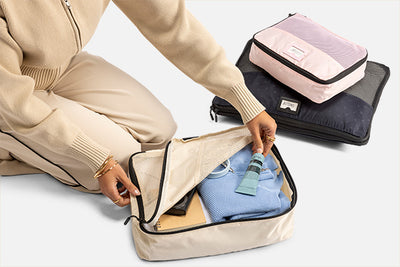
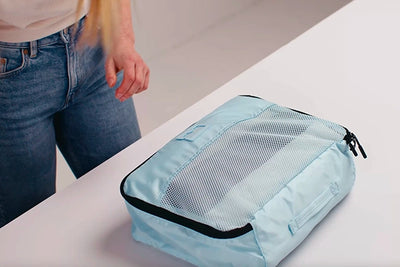
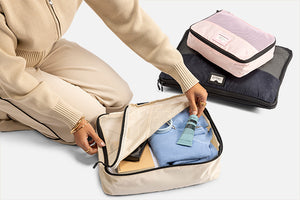
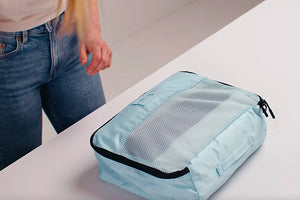
Packing cubes can help keep clothing contained and reduce direct contact with the suitcase lining. For Zoomlite packing cubes, hand wash with mild soap and water when needed, then line dry. Check the care instructions for other organisers.
Cleaning common stains
Different materials need different treatment. For most everyday marks, start with a damp cloth and a little mild soap, if the care instructions allow it. Avoid scrubbing. Ink, glue and stubborn scuffs may need a specialist product, but check that it is suitable for your suitcase's material and finish before trying it. If you're unsure, don't risk damaging the surface to remove a small mark.
Don't forget the rest of your kit
Your suitcase isn't the only thing that's been on the trip.
- Packing cubes and organisers: follow the individual care instructions. For Zoomlite packing cubes, wipe off small marks or hand wash with mild soap and water as needed, then line dry completely before storage.
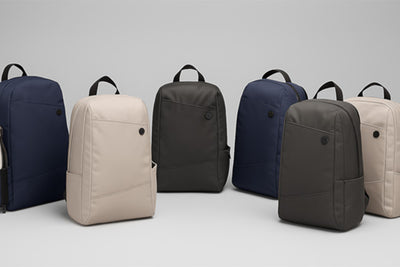
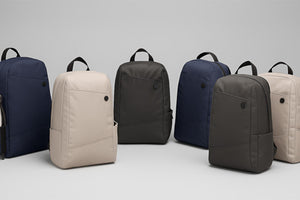
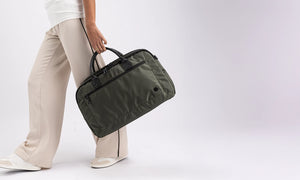
- Backpacks and anti-theft bags: spot-clean the fabric like softside luggage. Empty every pocket first and check the care label before any heavier wash.
- Leather wallets and passport holders: wipe with a soft, barely damp cloth. Use a leather-care product only if it suits the material and finish, and avoid soaking.
Giving the whole set a once-over while you unpack means everything's clean, dry and ready for next time.
Common luggage cleaning mistakes
A few well-meant habits do more harm than good.
- Bleach and harsh solvents can discolour shells and weaken fabric. Stick to mild soap.
- Soaking or hosing a bag forces water where it shouldn't go: the lining, handle and bearings.
- Storing it damp encourages mould, mildew and odour. Let the shell, lining and pockets dry completely first.
- Sealing it in a plastic garbage bag traps moisture and does the same thing. Use a breathable cover instead.
- Using WD-40 or other general-purpose oils on zips is best avoided unless the luggage maker recommends them.
Store your luggage between trips
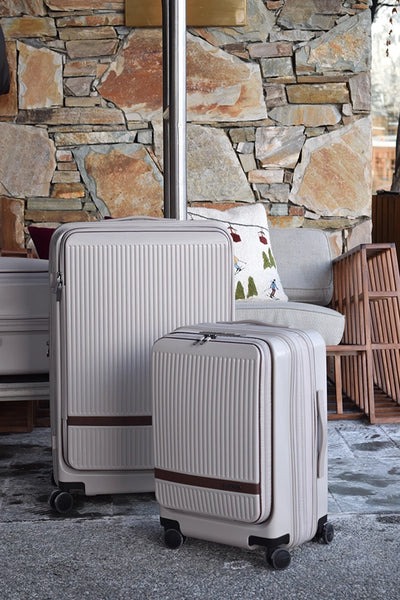
Once the suitcase is completely dry, store it somewhere cool and dry. A breathable dust cover can help keep off dust and prevent scratches. Avoid sealing the suitcase in plastic, especially if you've just cleaned it. If you nest smaller cases inside larger ones, check that they're all dry and allow some airflow in humid weather.
Give the wheels, handles and zips a quick check before putting the suitcase away so you can spot anything that needs attention before your next trip. If you use a luggage cover when flying, make sure it fits securely and doesn't block the wheels, handles or baggage labels.
How often should I clean my luggage?
Remove obvious dirt and debris after a trip and let the bag dry completely. Deep-clean it when it is visibly dirty, stained or develops an odour rather than following a fixed twice-a-year schedule.
Can I put my suitcase in water or the washing machine?
Do not soak or machine-wash a suitcase unless its manufacturer explicitly says you can. Water can get trapped behind the lining or inside the handle and wheel mechanisms, where it is difficult to dry. Packing cubes have their own care instructions and should not automatically be treated as machine-washable.
How do I get black scuff marks off a hardshell case?
Start with a soft cloth, warm water and mild soap if the manufacturer permits it. For stubborn marks, follow the specific care instructions for that shell and finish. Some brands allow a melamine sponge (magic eraser); others warn against abrasive products, so do not treat it as a universal solution.
How do I get a musty smell out of my suitcase?
First find and remove the source of the moisture or odour, then let the case dry and air thoroughly. Once dry, an activated-charcoal deodoriser can help with residual smell. Store the suitcase in a cool, dry place rather than masking dampness with fragrance.
How do I clean suitcase wheels?
Wipe the wheels with a damp cloth and use an old toothbrush to clear grit and hair from around the axle. Spin each wheel to make sure it turns freely, then let it dry before storage.
What's the best way to clean a hardshell case?
For many hardshell cases, a soft cloth with warm water and mild soap is a sensible starting point. Follow the manufacturer's instructions for stubborn scuffs because abrasive cleaners and sponges can damage some finishes.
How do I clean fabric luggage?
Vacuum it first, then gently spot-clean with a little mild soap and water, if the care label allows. Let it air-dry completely, out of direct sunlight, before storing.


Leave a comment